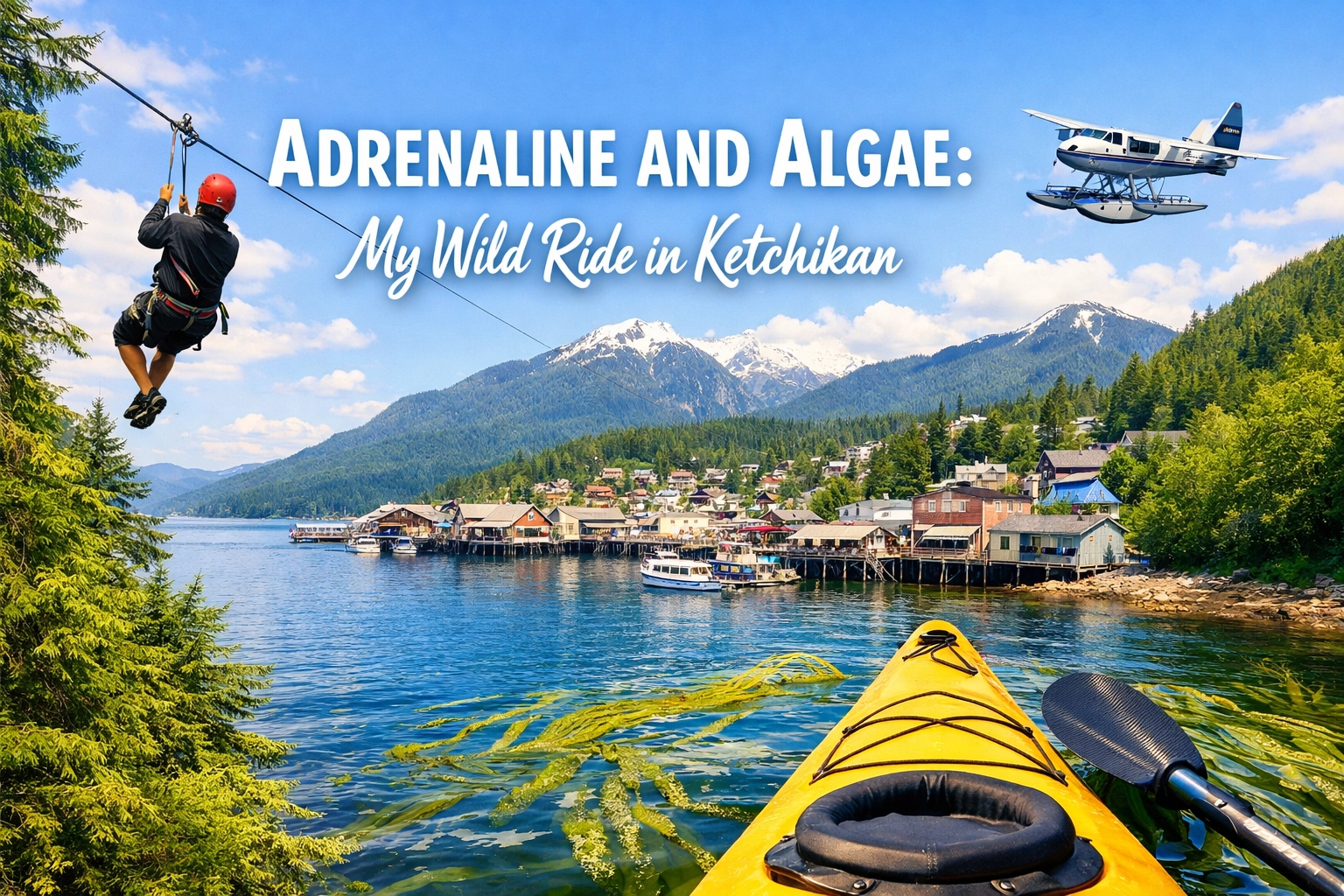
This article is the Ketchikan Zodiac expedition. It is about my experience on a high-speed Zodiac shore excursion I booked through Shore Excursion Group while sailing on the Seabourn Quest in Alaska.
Ketchikan is known as the "Salmon Capital of the World." It is also one of the wettest places in North America. When the Seabourn Quest pulled into port, the mist was hanging low over the Tongass National Forest. Most passengers headed toward the jewelry shops or the Great Alaskan Lumberjack Show. I headed toward the Marina. This trip was not about shopping. It was about adrenaline and algae.
The Shore Excursion Group Advantage
I was sailing on Seabourn Quest, but I booked this specific Zodiac tour through Shore Excursion Group. The big advantage is clarity and convenience: you pick the exact experience you want, then you show up ready to get wet (in a responsible, life-vest-required way). For this outing, we used Zodiacs. These are heavy-duty inflatable boats. They are the same kind used by military units and research teams in Antarctica.
In full disclosure, Shore Excursion Group generously hosted me for this tour. It has a retail price of about $250 per-person.
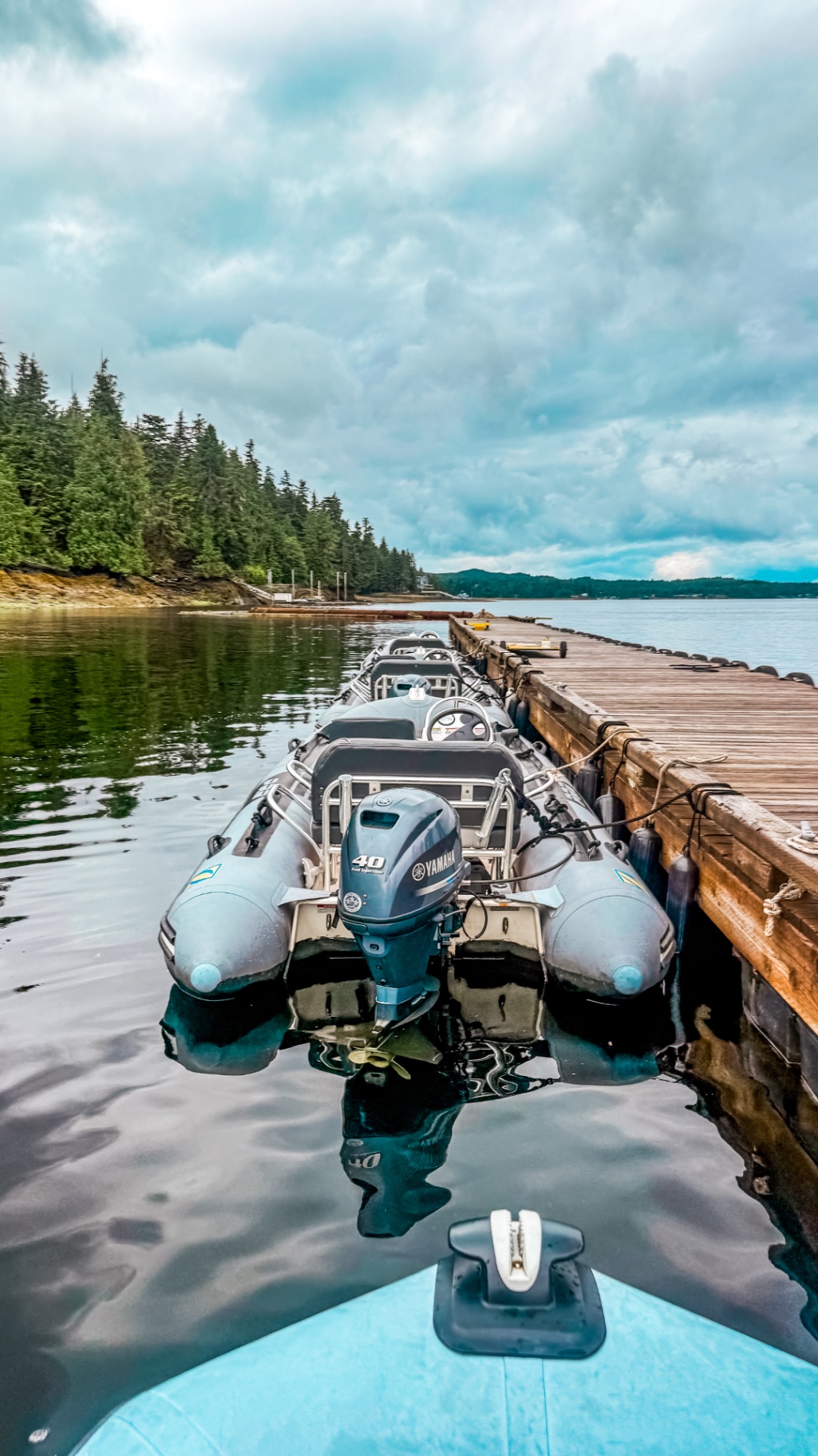
The setup is professional. The boats are docked at a wooden pier near the ship. Each boat is equipped with high-horsepower outboard Yamaha motors. These motors are essential. They provide the torque needed to navigate the choppy coastal waters of the Inside Passage. Standing on the dock, you can smell the salt air and the faint scent of boat fuel. It sets the mood for what is coming next.
Gearing Up for the Cold
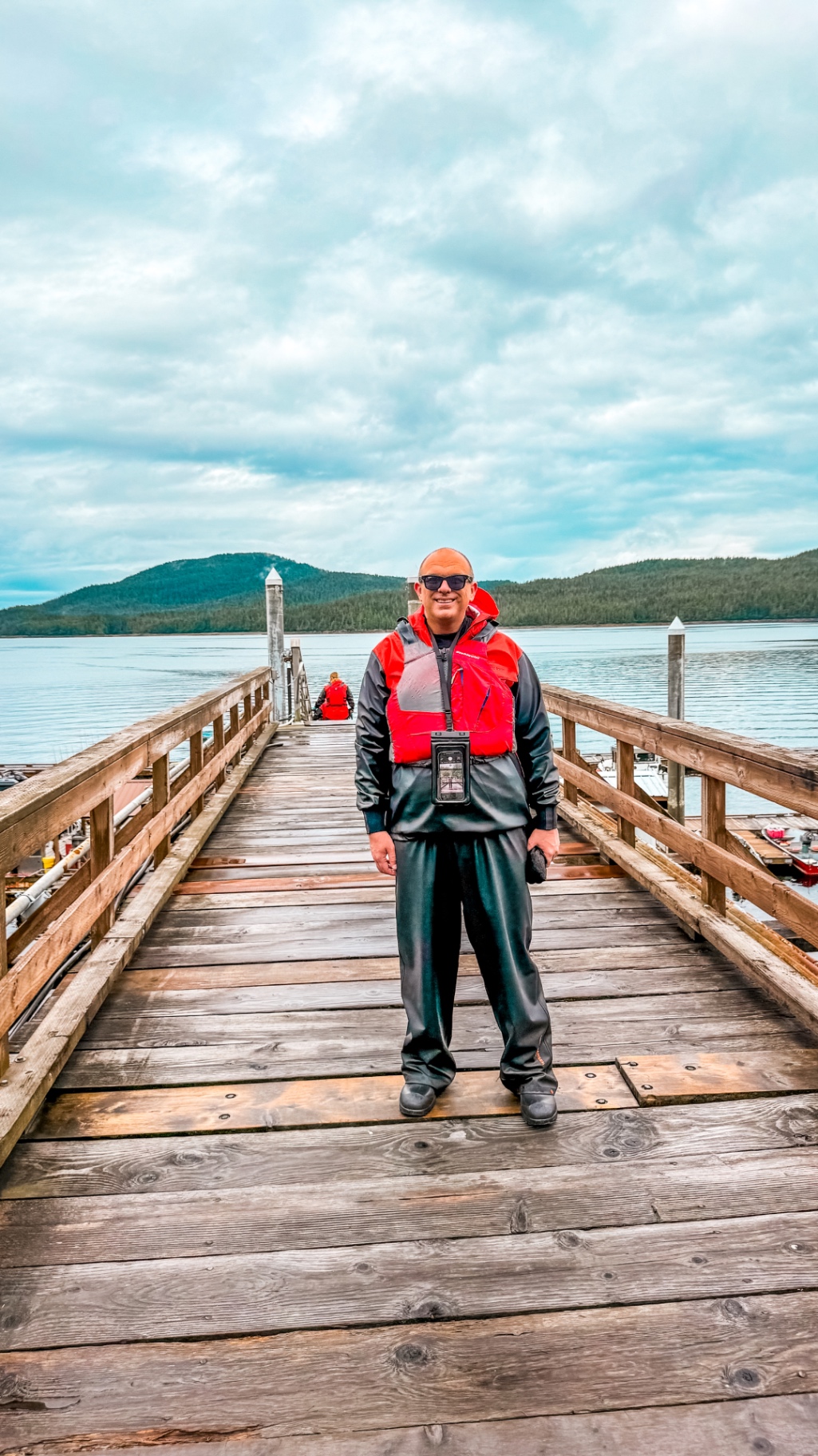
Alaska is not a place for fashion over function. Before we could board, the expedition team handed out gear. This is a standard safety procedure. I was issued a heavy-duty red life vest. It is bulky but necessary. It fits over multiple layers of wool and GORE-TEX.
Source: John The Wanderer
The temperature was hovering around 50 degrees Fahrenheit. On a boat moving at 30 knots, that feels like freezing. I wore a beanie and sunglasses to protect against the wind and the occasional spray of saltwater. The Shore Excursion Group team ensures every guest is properly fitted. They check the straps on the vests. They make sure you have your waterproof boots on. If you are planning a trip like this, check our about page to see how we handle these logistics for our clients.
The Adrenaline: Full Throttle in the Inside Passage
The ride started slowly. We drifted out of the harbor area, passing fishing boats and seaplanes. Then, our Shore Excursion Group guide hit the throttle once we cleared the no-wake zone.
This was a high-speed Zodiac run along the Ketchikan coastline. I stayed seated and held the side ropes while the driver worked the throttles and the chop. The inflatable hull slapped the water in short bursts as we crossed wake and wind ripple.
We ran through tighter channels and nearshore areas that larger vessels cannot access. We stayed on the water the entire time and treated it as an expedition-style ride and wildlife scan, not a generic sightseeing tour. I saw bald eagles on shoreline trees as we moved between coves around Revillagigedo Island on the edge of the Tongass National Forest.
The Algae: A Lesson in Intertidal Biology
After thirty minutes of high-speed transit, we slowed down. The adrenaline shifted to curiosity. We approached a rocky shoreline covered in thick, green algae and kelp. This is the "Algae" portion of the day. Our naturalist guide explained the importance of the intertidal zone.
In Alaska, the tides are extreme. They can change by 20 feet in a single day. When the tide goes out, it reveals a hidden world. We pulled the Zodiac right up to the rocks. The guide reached into the water and pulled up a handful of bull kelp. It looks like a long whip with a floating bulb at the end. It is slippery, slimy, and incredibly important for the ecosystem.
Source: John the Wanderer
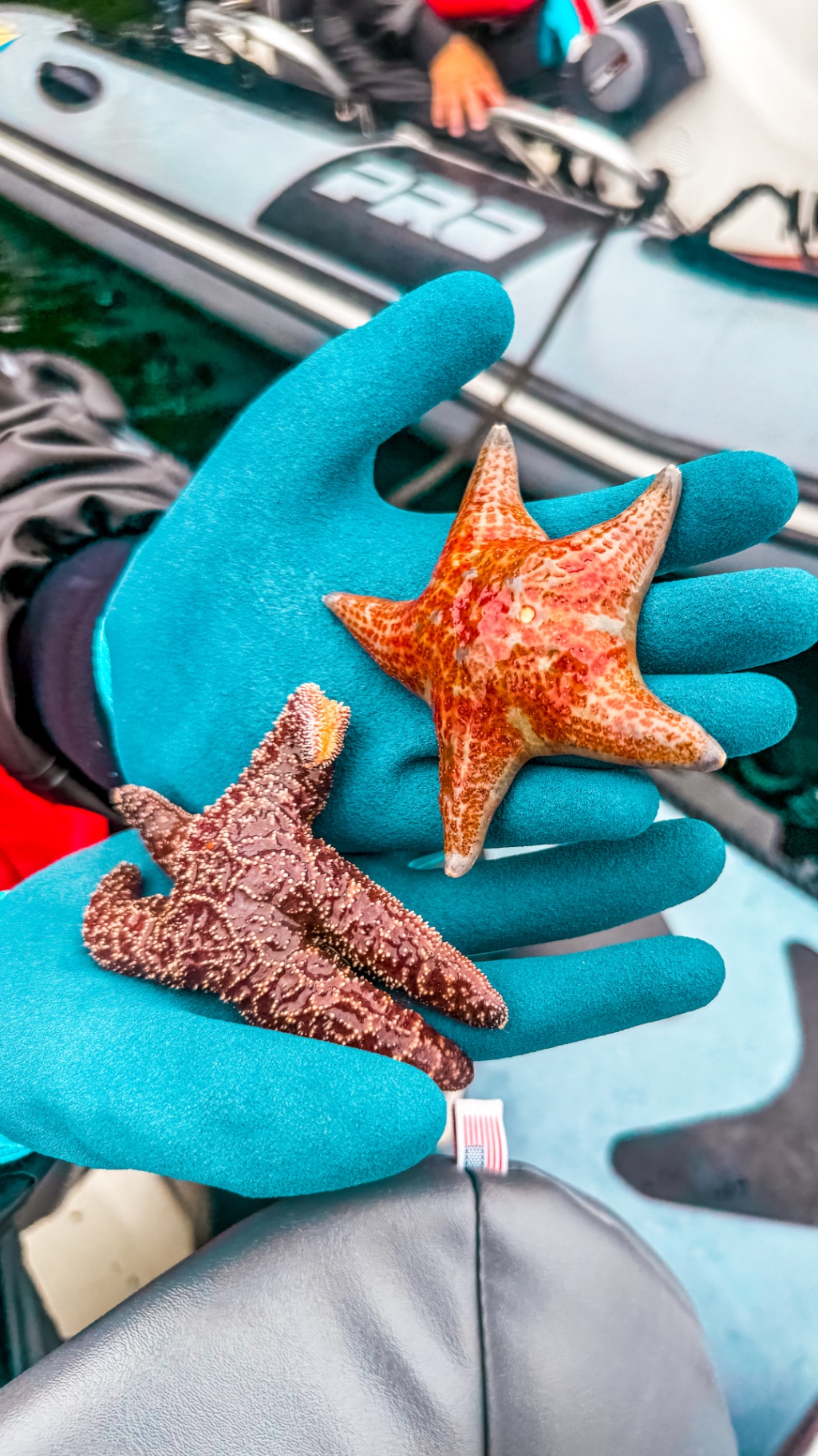
Then, we found the stars of the show. Literally. The rocks were covered in starfish. Our guide, wearing protective gloves, carefully lifted a couple for us to see. They were vibrant orange and purple. Seeing these creatures up close is a different experience than seeing them in an aquarium. You can see the tiny tube feet moving. You can feel the rough, calcified skin. It is a hands-on biology lesson in the middle of the wilderness. This kind of immersive travel is what we specialize in at John The Wanderer.
The Cultural Context: Totem Poles of Ketchikan
You cannot visit Ketchikan without acknowledging the Tlingit, Haida, and Tsimshian cultures. After our time on the water, we took a moment to explore the land. Ketchikan has the world's largest collection of standing totem poles.
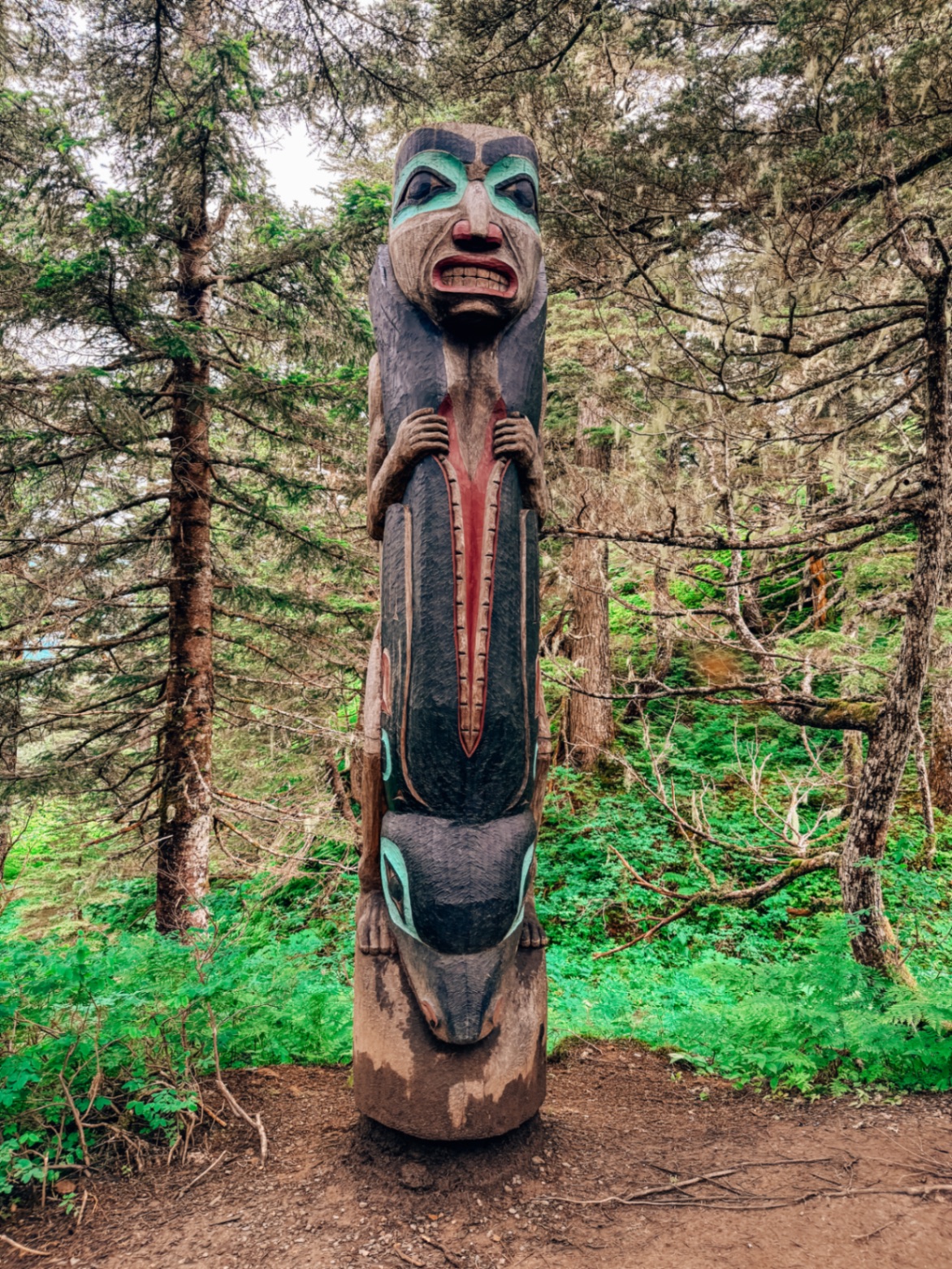
Source: John The Wanderer
The totem poles are more than just art. They are historical records. They tell stories of lineages, deaths, and shameful events. The craftsmanship is precise. Each animal carved into the cedar: beavers, eagles, ravens, and bears: has a specific meaning. Seeing them in the damp, mossy forest makes them feel alive. The vibrant paints have faded over decades, but the power of the carvings remains. It adds a layer of depth to the "adrenaline" of the boat ride. It reminds you that people have thrived in this harsh environment for thousands of years.
Why the Seabourn Quest?
The Seabourn Quest is a unique vessel. It carries around 450 guests. This is the "sweet spot" for Alaskan cruising. It is large enough to have a spa and fine dining, but small enough to launch eight Zodiacs at a time.
To be clear, I sailed on the Seabourn Quest, but I booked this specific Zodiac tour through Shore Excursion Group. The ship was my floating hotel. The Zodiac was my field trip. That mix worked well in Alaska because it let me do a true small-boat run without giving up the onboard comforts. For those interested in booking similar high-end expeditions, you can contact me here: John Perri – Scott and Thomas Travel Agent Profile.
Final Thoughts on the Experience
The excursion lasted about three hours. By the end, my face was windburned and my hands were cold from the seawater. I had algae on my boots and a memory card full of starfish photos.
This is the reality of modern luxury travel. It is not just about white tablecloths and champagne. It is about access. It is about the ability to go from a six-course meal to a rubber boat in the rain within twenty minutes. The adrenaline of the ride gets you excited, but the "algae": the small details of the natural world: is what stays with you.
If you are looking for an Alaskan experience that goes beyond the typical tourist path, Ketchikan via Zodiac is the answer. It is loud, it is wet, and it is exactly what a wanderer needs. If you want to plan your own wild ride, feel free to work with us. We know exactly which boat you should be on.