Source: Norwegian Cruise Line Holdings (NCLH) press release media
This article is the long-term fleet expansion strategy of Norwegian Cruise Line Holdings (NCLH). It is about a staggering agreement with Italian shipbuilder Fincantieri to construct three new vessels for delivery in 2036 and 2037, solidifying a decade-long growth plan that includes 17 ships currently on order across three distinct brands.
The cruise industry operates on a timeline that often feels like science fiction. While most of us are planning our vacations for next summer or perhaps 2027, the executives at NCLH are looking straight into the late 2030s. This recent announcement confirms that the company is doubling down on its "4% compound annual growth rate" strategy, ensuring that Norwegian Cruise Line, Oceania Cruises, and Regent Seven Seas Cruises remain dominant players in their respective segments for the foreseeable future.
The Breakdown of the New Order
The agreement with Fincantieri is not just a bulk order of identical hulls. Instead, it is a surgical expansion designed to meet the specific needs of each brand's target demographic.
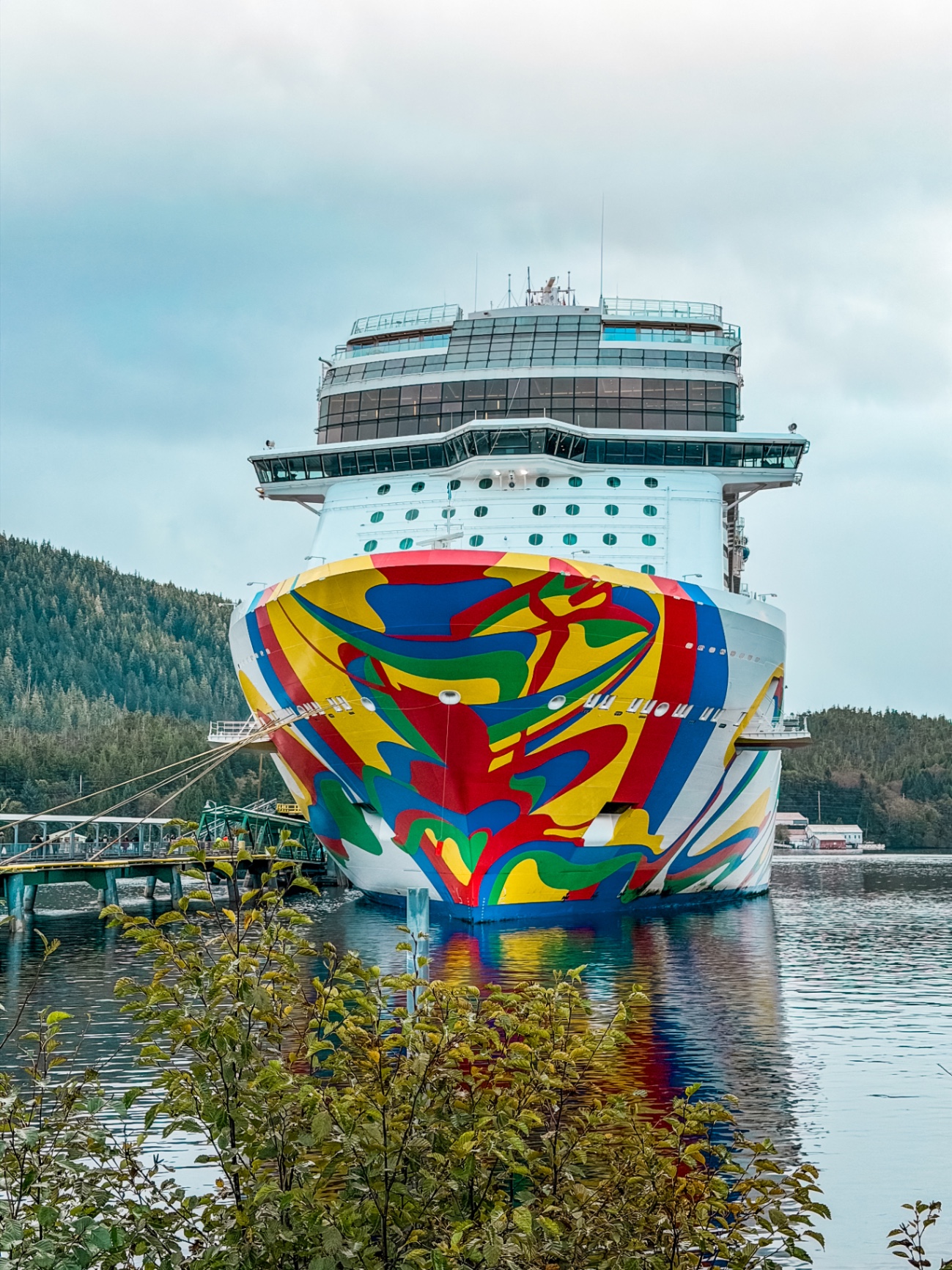
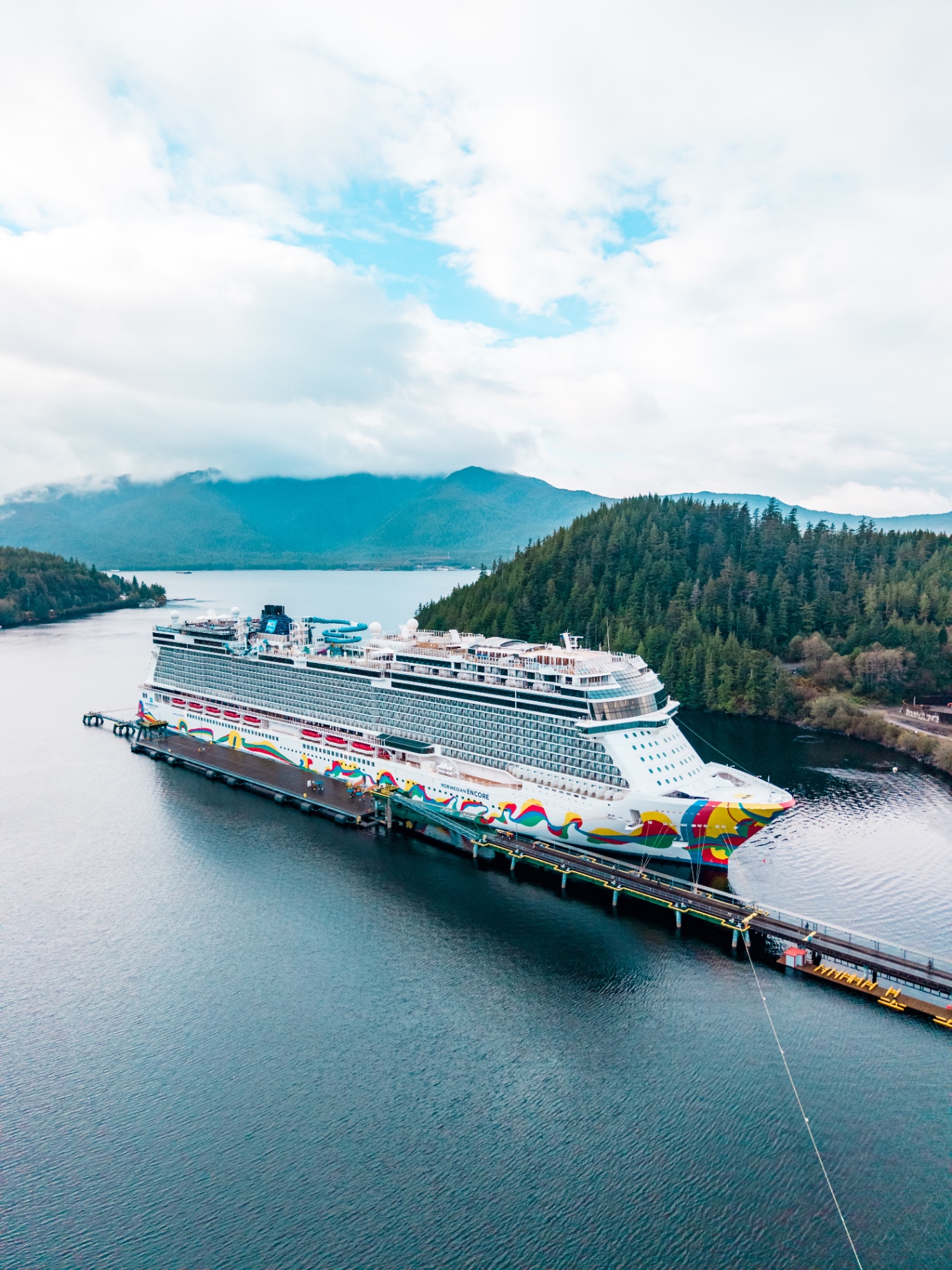
- Norwegian Cruise Line: The fleet will welcome a fifth ship in its newest ultra-large class. This vessel is projected to be approximately 227,000 gross tons with a capacity for over 5,000 passengers. It is scheduled for delivery in 2037. To put that in perspective, this class will represent some of the largest and most technologically advanced ships in the world.
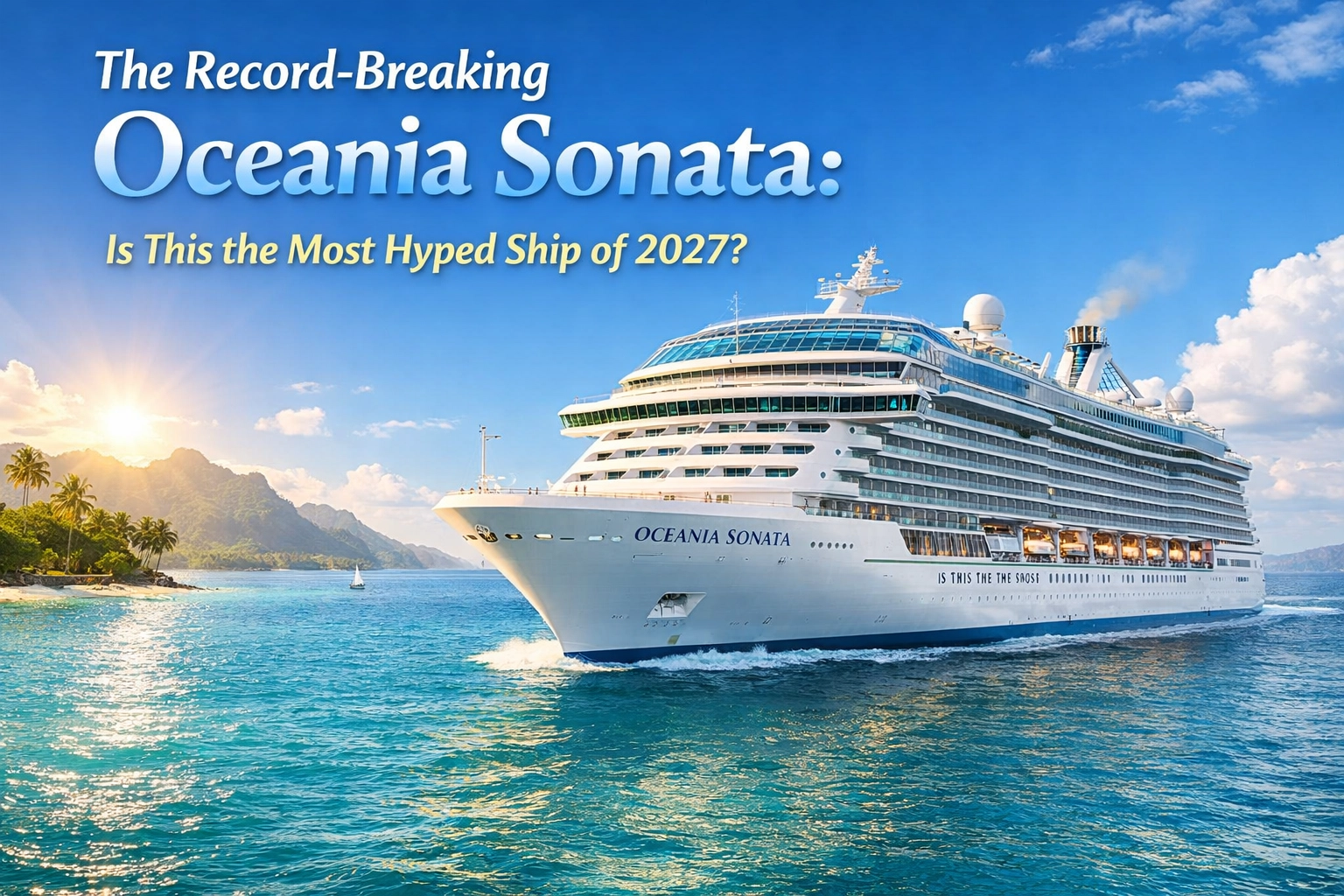
- Oceania Cruises: A sister ship to the upcoming Sonata class has been ordered for 2037. This vessel will be roughly 86,000 gross tons and accommodate 1,390 passengers. This maintains Oceania’s commitment to "small-ship luxury" while providing the modern amenities travelers expect in the premium-plus market.
- Regent Seven Seas Cruises: The ultra-luxury brand will receive a fourth ship in the Seven Seas Prestige class. Scheduled for 2036, this ship will sit at 77,000 gross tons with a capacity for just 822 guests, offering one of the highest space-to-guest ratios in the entire industry.
Source: John the Wanderer
Source: John the Wanderer
A 10-Year Vision: 17 Ships on the Horizon
With this new agreement, NCLH now has a total of 17 newbuilds on order through 2037. This is a massive commitment to capital expenditure and a clear signal of confidence in the cruise market's longevity. My experience working as a travel advisor has shown me that as the demand for diverse itineraries grows, the need for varied ship sizes becomes paramount.
The pipeline is distributed across the brands as follows:
- Norwegian Cruise Line: Eight newbuilds through 2037.
- Oceania Cruises: Five newbuilds through 2037.
- Regent Seven Seas Cruises: Four newbuilds through 2036.
This 10-year plan isn't just about having "shiny new things." It is a calculated move to manage capacity and growth. The 4% compound annual growth rate (CAGR) from 2026 through 2037 is a metric the company uses to ensure they are expanding fast enough to capture market share, but not so fast that they dilute the brand experience or over-saturate the market.
Why Fincantieri?
All three of these new ships will be constructed at Fincantieri’s shipyards in Italy. This partnership is a long-standing one. Fincantieri is known for its craftsmanship and ability to handle the complex engineering required for luxury builds like Regent and Oceania, as well as the sheer scale required for NCL’s massive projects. While no specific price tag was attached to this three-ship order, Fincantieri has categorized it as "very important," with an aggregate value exceeding €2 billion.
Source: AI generated image
What This Means for Norwegian Cruise Line Fans
If you are a fan of the NCL experience: the "Free at Sea" lifestyle, the Broadway-caliber entertainment, and the high-energy activities: the 2037 delivery is a massive deal. A 227,000-ton ship is a significant jump in scale. This suggests that NCL is looking to compete directly with the largest ships in the world, potentially introducing even more revolutionary onboard features.
For those of us who love the current Prima-class ships, this new "ultra-large class" represents the next evolution. We can expect even more deck space, perhaps more sophisticated thermal suites, and definitely an expansion of the "Haven" concept, which has become a gold standard for the "ship-within-a-ship" luxury experience.
Oceania Cruises: The Evolution of the Sonata Class
Oceania Cruises has carved out a unique niche. It isn't quite "mass market," and it isn't quite "ultra-luxury." It sits in that sweet spot of incredible food (The Finest Cuisine at Sea®) and elegant, destination-focused cruising.
The order for a sister ship to the Sonata class for 2037 shows that Oceania is happy with its current trajectory. The 86,000-ton size is large enough to offer multiple specialty dining venues and spacious staterooms, but small enough to visit boutique ports that the 5,000-passenger giants simply cannot reach.

Source: John the Wanderer
Regent Seven Seas: Doubling Down on the Prestige Class
Regent Seven Seas Cruises continues to push the boundaries of what "all-inclusive" means. The Seven Seas Prestige class is the newest iteration of their fleet, designed to provide even more space and more "over-the-top" luxury. By ordering a fourth ship in this class for 2036, Regent is ensuring they have the capacity to meet the growing demand for high-end, hassle-free travel.
At 77,000 gross tons for only 822 passengers, the space ratio is astronomical. In my time booking luxury cruises, I’ve noticed that travelers are increasingly prioritizing personal space and one-on-one service. Regent’s commitment to this class of ship is a direct response to that trend.
The Strategic Importance of 2036 and 2037
You might wonder why we are talking about 2036 today. In the world of shipbuilding, slots at major shipyards like Fincantieri are limited. By securing these slots now, NCLH ensures that they won't be left behind by competitors like Royal Caribbean or Carnival Corporation.
Furthermore, these long lead times allow the cruise line to work with designers and engineers to incorporate future technologies. This includes more sustainable propulsion systems, advanced waste management, and digital integrations that haven't even been invented yet. When a ship launches in 2037, it needs to be relevant for at least 20 to 30 years beyond that date.
My Take as John The Wanderer
I have seen many ship announcements come and go, but the scale of NCLH’s 10-year plan is impressive. It shows a company that is not just surviving but thriving and planning for a very busy future. For travelers, this means more choices, more dates, and more innovative ways to see the world.
Whether you want the high-energy thrill of a 5,000-passenger mega-ship or the quiet, refined elegance of an 800-passenger luxury vessel, the NCLH umbrella is making sure they have a bed waiting for you. The fact that they are planning this far out also gives us a hint about where the industry is going: bigger, better, and more specialized.
Planning Your Next Voyage
While 2037 is a long way off, the ships currently in the fleet: and those arriving in the next couple of years: are already setting the stage for this expansion. If you’re looking to experience the current innovations on Norwegian, Oceania, or Regent, there has never been a better time to book.
If you want to navigate these options and find the perfect ship and itinerary for your next getaway, I am here to help. You can view my professional travel advisor profile and book your next cruise directly through me at Scott & Thomas.
Book your next cruise with John Perri: Click here to visit my Scott & Thomas profile and get started!